

I had closed six deals. I had survived bad financing, a $20,000 loss on manufactured homes, a permitting-free duplex I wished I had kept, and a clean turnkey that validated my system. I had built Cedar Ridge Management from the ground up. I knew how to find deals, evaluate them, renovate them, and hold them.
I thought I knew what I was doing. And I did know what I was doing.
The problem was that I stopped doing it.
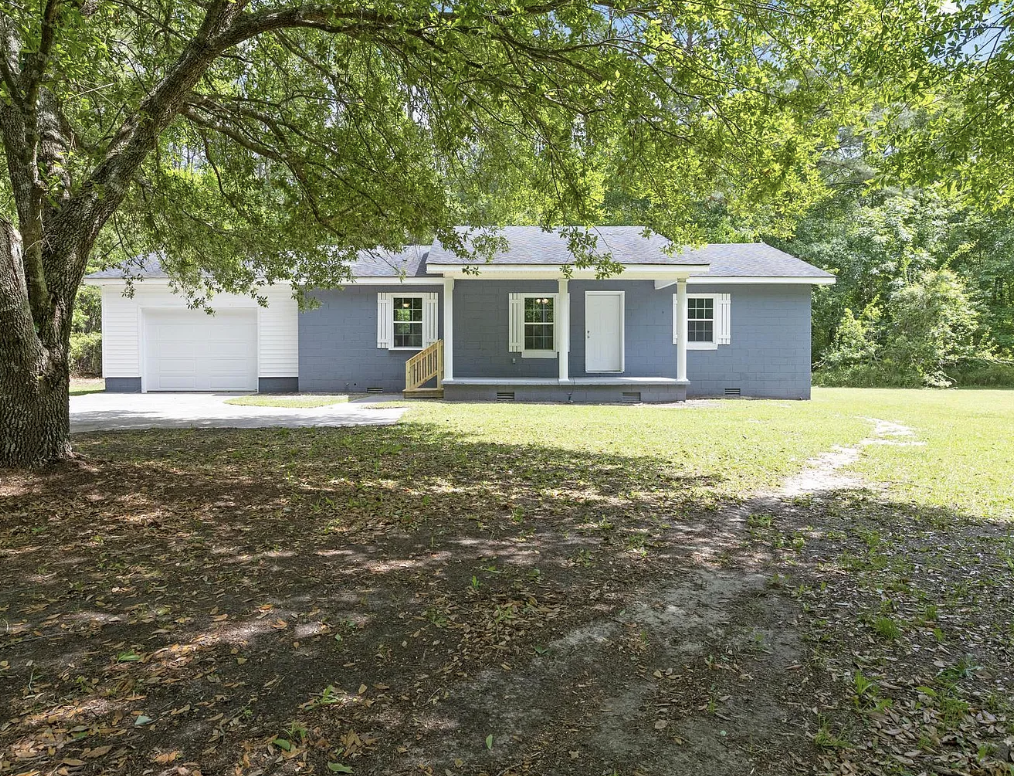
I found a distressed property at a deep discount in Maple Hill, North Carolina. I partnered with a trusted friend. We ran the numbers, planned a clean BRRRR, and projected strong equity creation. On paper, it was a home run.
Then I assumed the county would approve our addition without confirming it first. That one assumption, skipping one step I knew I should take, unraveled the entire plan.
This deal taught me more about discipline than any deal before it.
This post is part of my First 10 Real Estate Deals series, where I break down what actually happened, not polished success stories.
👉 First 10 Real Estate Deals -- Series Hub
Deal Snapshot
Item | Details |
Year / Market | 2022 -- Maple Hill (Pender County), NC |
Property Type | Single-family, 3 bed / 1 bath |
Purchase Price | $49,000 |
Rehab Budget | $125,000 |
Total Project Cost | $190,570 |
Appraised Value (Post-Reno) | $245,000 |
Partner | 50/50 with Sean McDonnell |
Original Strategy | BRRRR -- Convert to 4 bed / 2 bath |
Pivot | Renovated 3 bed / 1 bath rental |
Rental Rate | $1,595/month |
Monthly Mortgage | $1,425/month |
Current Listing Price | $215,000 |
Status | Vacant, listed for sale (and under contract as of writing) |
The Story
How I Found the Deal
This deal came from the MLS. The property had been sitting for a long time, which gave us the opportunity to purchase it at a significant discount relative to its potential post-renovation value.
The house was a 3-bed, 1-bath in rural Pender County. It needed a full renovation. The plan was to convert it to a 4-bed, 2-bath, refinance at the higher appraised value, and either hold it as a rental or sell.
I partnered 50/50 with a really good friend, someone I trusted. We split capital, risk, and profit evenly. The numbers penciled out cleanly. We moved forward.
Due Diligence (What I Checked and What I Missed)
I evaluated the purchase price, rehab scope, after-repair value, and exit options. All of that work was done carefully.
What I did not do: confirm with the county that our planned addition could be permitted before closing.
I assumed it would be fine. That assumption was the entire mistake.
The property sat in a flood zone. I knew that. What I did not fully understand was the interaction between flood zone requirements and the county rule that triggers a full code upgrade when improvements exceed 50% of the tax assessed value.
I should have made one phone call before signing. I did not.
Financing, Renovation, and Reality
We closed on the property and started demolition immediately. At the same time, we began the permitting process for the bedroom and bathroom addition.
The permit was delayed for months. The county kept telling us they were looking into it. We kept renovating. We completed most of the garage conversion into a bedroom before we had a final answer.
Then the permit was denied.
Because our improvements exceeded 50% of the tax assessed value, the entire property was required to be brought up to current code. Since the home sat in a flood zone and was too low to meet current elevation requirements, that meant raising the entire structure approximately three feet.
That was not in the budget. It was not in the plan. And it killed the addition entirely.
We ripped out the garage conversion work at additional cost and finished the property as a clean, renovated 3-bed, 1-bath. That change cascaded through everything: lower value, lower rent, weaker exit options.
Financials (Reality Check)
Original Plan vs. Actual
- Original Plan: 4 bed / 2 bath, appraised at $245,000, strong BRRRR refinance
- Actual Result: 3 bed / 1 bath, appraised at $245,000 (the market and home appraisers were too generous back then)
- Rental Rate: $1,595/month
- Monthly Mortgage: $1,425
- Monthly Cash Flow: Negative $425
The Exit Problem
After one year of renting to satisfy the long-term capital gains holding period, we listed the property for sale. The market had shifted. Interest rates had risen sharply. Rural properties had become harder to move.
- Listed at $245,000 (appraised value): no traction
- Reduced to $225,000: no traction
- Reduced to $200,000: still no sale
We placed the property back on the rental market, rented it again at $1,595/month, held it through January 2026, allowed the lease to expire, and listed it again at $215,000. At the time of writing, the property is vacant, listed for sale, and literally just came under contract. The cash flow has not justified the capital in this deal, and the exit has been far more difficult than expected.
Wins and Losses: My Lessons Learned
Lesson 1: Always Confirm Your Renovation Plan With the County Before Closing
This is the lesson. Everything else in this deal was executed reasonably well. We bought at a discount. We managed the renovation. We reached the appraised value.
But one phone call before closing could have changed the entire outcome. If we had confirmed the permitting situation upfront, we would have adjusted our offer, changed the plan, or walked away. Instead, we assumed.
I will never close on a value-add property again without written confirmation from the county that the planned improvements are approvable.
Lesson 2: The 50% Improvement Rule Can Kill Your Deal
Most investors have never heard of this rule. If the cost of improvements exceeds 50% of the tax assessed value of a property, the entire structure must be brought up to current code.
In flood zones, current code may require elevation. In older homes, it may trigger electrical, plumbing, or structural upgrades that were never part of the budget. Know this rule before you buy any distressed property.
Lesson 3: Small Construction Details Create Bigger Downstream Problems
We removed a chimney during renovation. The contractor replaced the roof section with shingles that did not match the existing roof. That mismatch has made the property harder to insure, because insurance companies flag mismatched rooflines as a potential risk indicator. Details matter.
Lesson 4: Appraised Value Does Not Equal Market Value
The property appraised for $245,000. We could not sell it for $245,000. We could not sell it for $225,000. We could not sell it for $200,000.
An appraisal helps with financing. The market determines what buyers will actually pay. In a rural location with a limited buyer pool and rising interest rates, those two numbers can be far apart. I now underwrite exit value based on comparable sales, not appraisals.
Lesson 5: Match Your Exit Strategy to the Property Location
Rural properties take longer to sell. They have a smaller buyer pool. They are more sensitive to interest rate increases because a higher percentage of potential buyers are rate-dependent.
We underwrote this deal with multiple exit options. What we did not account for was how much location would constrain each of those options when market conditions shifted. Location is not just about rent demand. It is about exit liquidity. Underwrite both.
Lesson 6: Overconfidence Is the Most Expensive Mistake
I had done six deals before this one. I had systems, experience, and a track record. I let that create blind spots.
The steps I skipped on this deal were not steps I was unaware of. They were steps I knew to take and chose not to take because I was confident the deal would work out. Experience does not eliminate the need for discipline. It just makes the cost of skipping steps higher, because you take on bigger deals.
What Went Right
- Purchased at a deep discount relative to potential value
- Successfully executed a full renovation on a complex property
- Reached sufficient appraised value to refinance
- Maintained optionality throughout the hold period
- Continued generating rental income while working toward an exit
How This Deal Changed My Future Deals
- I confirm permitting with the county before closing on any property requiring structural changes
- I research flood zone classifications and elevation requirements before making an offer
- I underwrite exit value based on comparable sales in that specific submarket, not appraised value
- I stress-test rural deals against a smaller buyer pool and longer days on market
Deal #10 in this series is a direct application of these lessons. Before closing on that property, I called the county and confirmed the conversion was approvable. That one step, which this deal taught me to take, protected the entire project.
Would I Do This Deal Again?
Not in this structure.
With full clarity on the permitting constraints, the flood zone implications, and the exit limitations of a rural location, I would not have pursued this deal at this price with this plan. If I had confirmed the addition upfront and it had been denied, I would have either negotiated a lower purchase price or walked away entirely.
Key Takeaways
- Always confirm your renovation plan with the county before closing
- The 50% improvement rule can change everything on a distressed property
- Appraised value and market value are not the same thing
- Rural properties require a different exit underwriting than suburban ones
What is Next
In Deal #8, I break down a deliberately boring deal I bought at the height of rising interest rates when most investors had stopped buying. No renovation. No drama. Just discipline, a larger down payment, and a property that has performed exactly as planned.
👉 Deal #8: When Discipline Beats Excitement
Looking back at the previous deal in this series: Deal #6: The Turnkey Deal That Validated My System
If you want to evaluate deals the way I do today, download my Real Estate Investing Analyzer + Deal Analysis Video.
Want Help Evaluating Your Next Deal?
At Cedar Ridge Management, our mission is to enable financial freedom for owners, tenants, and teammates.
If you are interested in real estate investing, or have a home you want to rent out and want to partner with a local, investor-minded property manager, schedule a call with our team here.
We would love to partner with you.