The first time I walked into this house, the smell hit me.
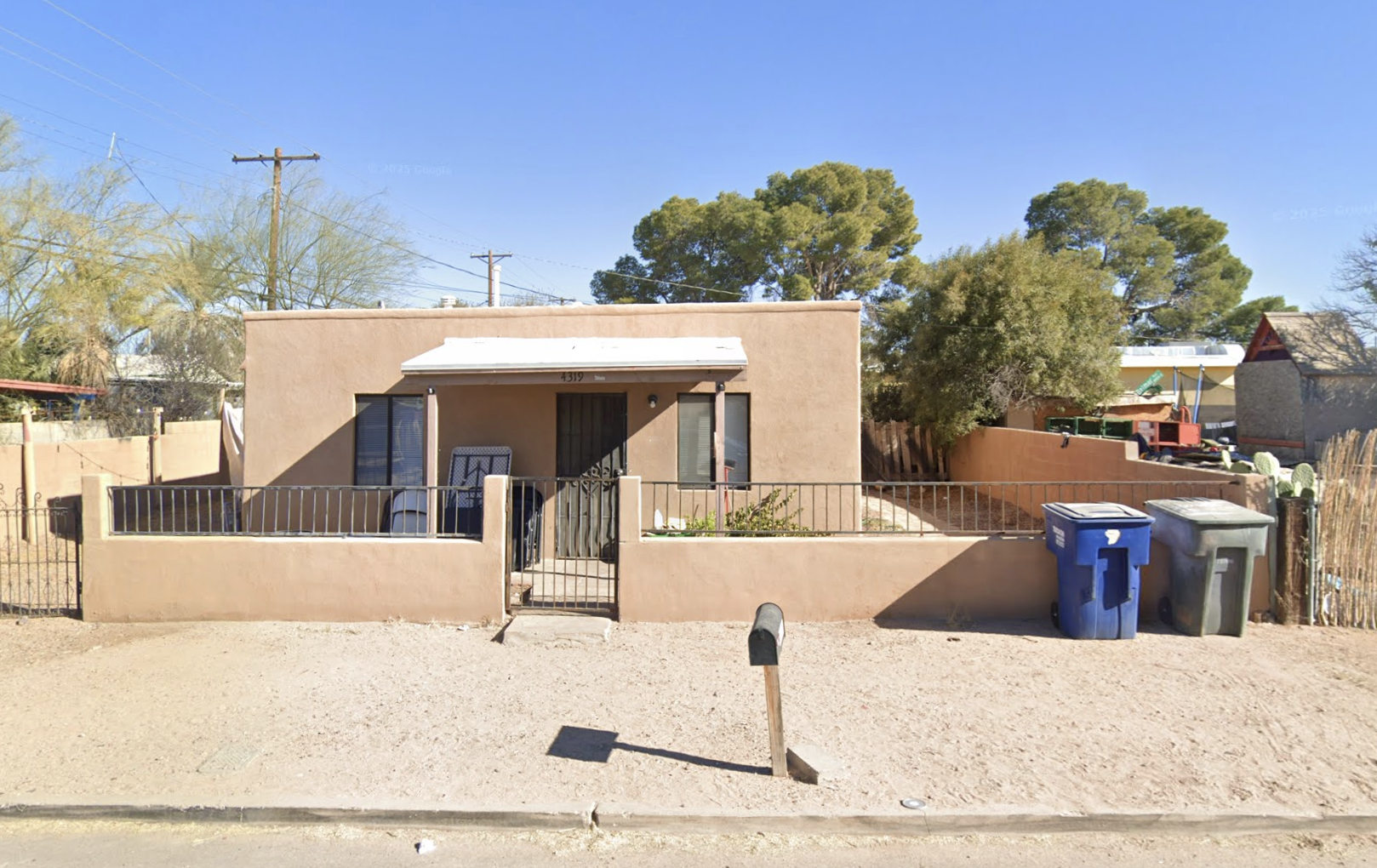
Urine-soaked floors. Mold in the walls. No wiring. No plumbing. No fixtures. Just a gutted 805-square-foot house in Tucson, Arizona, and a 21-year-old Marine officer with more ambition than cash standing in the middle of it.
It was 2011. I had just graduated from college and was about to report for active duty in the United States Marine Corps. I didn't have savings, real estate experience, or a safety net. What I did have was a decision I'd made years earlier after reading Rich Dad Poor Dad: real estate would be my long-term wealth-building path.
This was my first deal. It was messy, stressful, and financed badly. For the first two years, it produced zero cash flow. At multiple points, it looked like a mistake.
But this deal also taught me lessons that still guide how I invest and manage property today, and by 2015, it quietly became an infinite return.
This post is part of my First 10 Real Estate Deals series, where I break down what actually happened, not polished success stories.
👉 First 10 Real Estate Deals -- Series Hub
Deal Snapshot
Item | Details |
|---|---|
Year / Market | 2011 -- Tucson, AZ |
Property Type | Single-family, 2 bed / 1 bath |
Size | 805 sq ft |
Purchase Price | $18,000 |
Rehab Costs | ~$22,000 |
Closing Costs | ~$8,500 |
All-In Cost | ~$48,500 |
Initial Strategy | Fix-and-flip |
Pivot | Long-term rental |
Current Rent (2026) | ~$1,100/month |
Current Market Value | ~$167,000 |
Loan Balance | ~$54,000 |
Equity (2026) | ~$113,000 |
ROI | Infinite since 2015 |
The Story
How I Found the Deal
I found this property by looking where most people weren't willing to look. Tucson had been hit hard by the housing crash, and distressed inventory was common. Deals could be found and done if you were willing to take on serious problems.
This house scared people off immediately. It was gutted, mold-infested, and missing basic systems. Most buyers walked. And to be clear, back then, I didn't see a great deal. I thought the deal was "okay" and that I would make $5,000 on a flip. My main focus was to START. A little thing I often tell myself: most people go through life tiptoeing around a pool trying to find the perfect temperature before getting in. But man, you just really have to jump in and figure it out.
So I jumped.
Due Diligence (What I Checked and What I Missed)
I ran basic numbers and leaned heavily on a mentor, a former high school coach who had flipped houses. He connected me with a general contractor he trusted.
Early on, both my spreadsheet and my gut told me rehab costs were drifting higher than expected. I ignored both because I was not sure if I was just uncomfortable writing checks to someone for the first time, and because someone I trusted told me everything was fine.
That decision would come back to bite me.
Financing, Rehab, and Reality
I didn't have savings, so I stitched together multiple personal loans to make the deal work.
The two loans I used to buy and rehab the deal were a hard-money loan, and a private loan from USAA. The hard-money loan was from my realtor's client. The hard-money loan charged a $7,000 flat fee just to borrow $16,500. The USAA personal loan carried 12.75% interest.
The rehab started and quickly ran off plan. Costs climbed. Cash burned faster than expected. Then life intervened: my mentor's personal situation unraveled, the contractor relationship fell apart, and suddenly I was finishing the rehab myself.
The original plan was to flip. But my overspending on the contractor killed that option. Instead of selling at a loss, I pivoted to a rental and focused on survival: stabilize the property, get it rented, and attack the debt. This was a BRRRR before BRRRRs were cool.
Wins and Losses: My Lessons Learned
Lesson 1: Bad Financing Kills Deals
The flip loan I used really killed the deal. I might have been able to flip and sell it for a profit if I hadn't had to pay a $7,000 flat fee to borrow $16,000. I refinanced to pay off my hard money lender with a Navy Federal Credit Union personal loan. This worked, but it was more expensive than a traditional mortgage.
After I decided to rent it out, my goal was to pay off the loan as fast as possible so I would never have to worry about making a loan payment again. I ended up paying the loan off in two years.
Lesson: The cost of money matters as much as the purchase price. This is why today I won't move forward on a deal unless it passes my Real Estate Investing Analyzer.
Lesson 2: Trust the Numbers More Than the Narrative
Both my instincts and my spreadsheet warned me. I ignored them because I outsourced confidence to someone else. I actually foresaw running out of money before the project was over, but my “mentor” told me it would be okay.
I was 21 years old. I had never written someone else’s paycheck, and I wasn’t sure if my math was right, or if I was just uncomfortable writing checks for $1-5,000 every week to a contractor.
Well, it turned out that my numbers and gut were right. That mistake cost time, money, and stress.
Lesson: Mentors are valuable, but numbers don't lie. If the math doesn't work, stop.
Lesson 3: Management Decisions Compound
Finishing the rehab myself forced me to understand systems, costs, and tradeoffs at a granular level. It wasn't efficient, but it was educational. Funny enough, all of the work I finished myself had to be redone by a professional as it was rented out.
That experience shaped how I think about professional property management and why I no longer try to wing it operationally.
This investment actually wasn't even great until I got married and my wife, Avery, fired our old property managers, interviewed new ones, and hired people who ran a great management business.
Lesson 4: Time Can Fix a Lot of Early Mistakes
This deal didn't win early. It survived.
Warren Buffett often says the best time to plant a tree was 40 years ago. The second-best time is now. Because I started 15 years ago, bought reasonably, and have managed well, that first rental property has become the seed of my real estate portfolio today.
By holding through the noise and attacking bad debt, I bought myself time, and time allowed the deal to compound.
Financials (Reality Check)
Cash Flow Timeline
2011-2013: $0 cash flow (all rent to debt)
2013-2015: Modest positive cash flow
2015: Refinance -- all original cash pulled out
2015-2025: Every dollar = pure profit
As of 2026
Current fair market value: ~$172,450
Equity: ~$113,000
Cumulative cash flow collected: ~$26,000
Monthly rent: ~$1,100
By 2015, I had recovered 100% of my original investment, turning this property into an infinite-return investment.
How This Deal Changed My Future Deals
This deal gave me the confidence to invest and survive even when things go wrong. Moving forward from this deal:
I decided to never flip. I wanted to buy and hold forever.
I became disciplined about the financing structure.
I stopped ignoring numbers under pressure.
I prioritized management quality over optimism.
Those shifts improved every deal that followed.
Key Takeaways
Start where you are. Perfection isn't required.
Bad financing hurts, but it doesn't have to be fatal -- especially if you buy right. You make your money when you buy; you realize it when you rent or sell. (*To this point, its also important to understand your global financial position. I was 21 and about to start my career as a Marine Corps Officer, I was okay with the downside of having to pay a loan off if everything went wrong. AND my global financial position, the rents and my paycheck, all funneled into paying off the debt helped me survive this deal.)
Numbers deserve more trust than opinions.
Management decisions compound over time.
Holding through early mistakes can still create massive upside.
What is Next
In Deal #2, I break down how a risky long-distance purchase with expensive financing still turned into an infinite return, and how bad property management almost ruined it.
👉 Deal #2: How a Risky Long-Distance Purchase Turned Into an Infinite Return
If you want to analyze deals the way I do today, download my Real Estate Investing Analyzer + Deal Analysis Video.
Want Help Figuring Out Your Own Strategy?
Are you thinking about turning your own home into a rental property? Or perhaps you did that once and want to figure out how to get your second rental.
At Cedar Ridge Management, our mission is to enable financial freedom for owners, tenants, and teammates.
If you are interested in real estate investing, or have a home you want to rent out and want to partner with a local, investor-minded property manager, schedule a call with our team here.
We would love to partner with you.